
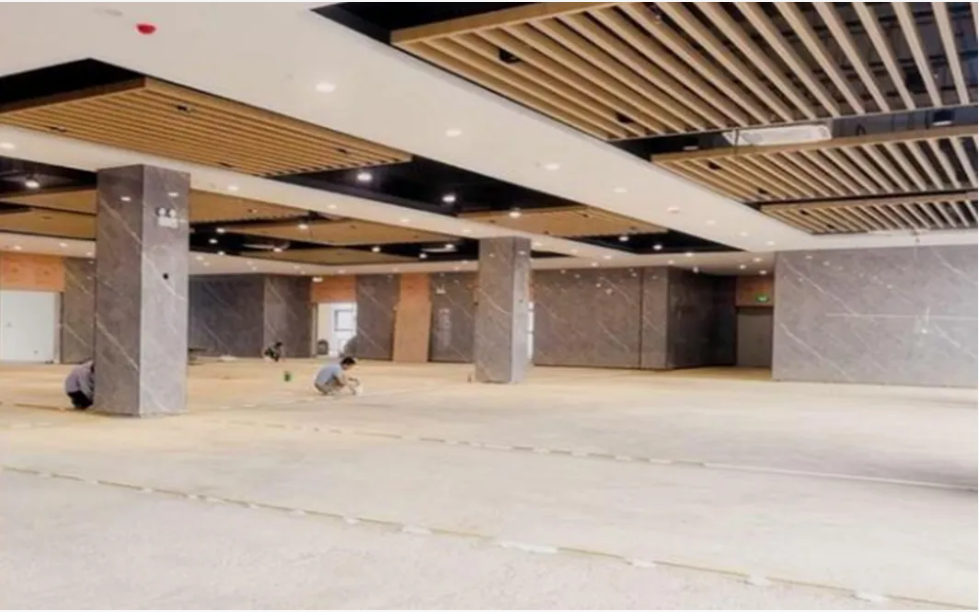
Kunity successfully delivered a full-scope project for the 11,586-square-meter factory office building of a leading Chinese new energy enterprise located in Bắc Giang Province, Vietnam. The project integrated interior design, decoration, supporting facilities deployment, as well as furniture procurement and installation, and was fully completed and handed over within a tight schedule of 120 days. By maximizing the compression of the construction cycle, the solution perfectly met all the requirements initially set by the enterprise, laying a solid foundation for its subsequent factory production operations in Vietnam.
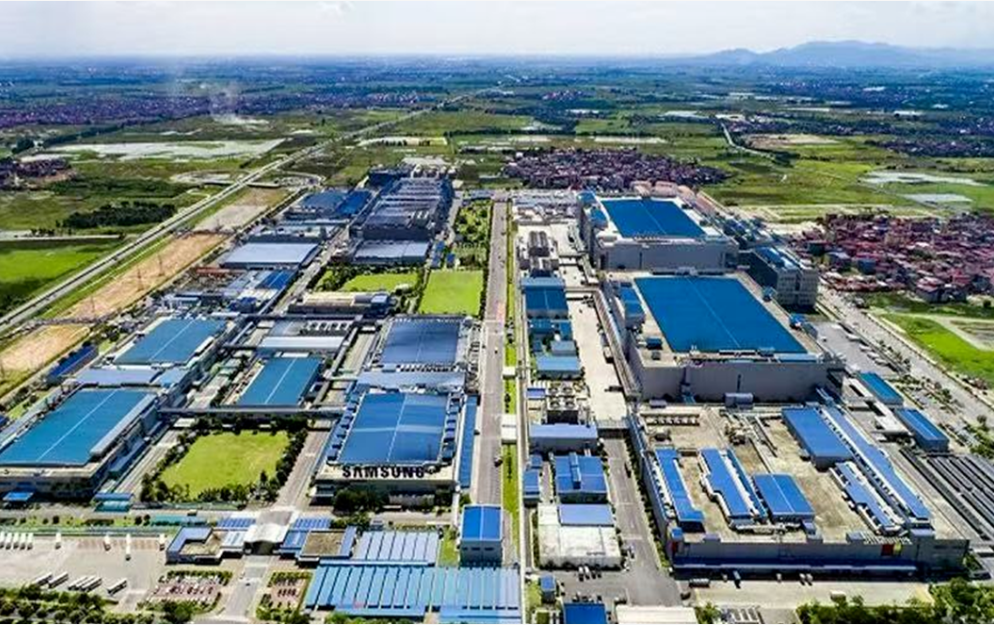
Vietnam, a core country in Southeast Asia, had a total population of 101 million and a nominal GDP of USD 476.388 billion in 2024. With an average population age of 32 years old, Vietnam is in a demographic dividend period and has emerged as one of the hottest destinations on the global manufacturing map.

Vietnam's annual registered foreign direct investment (FDI) reached USD 38.2 billion, representing a year-on-year increase of 13%. Among this, the manufacturing sector accounted for 80% of the total inflow, firmly establishing itself as the primary driver of FDI attraction.
Chinese enterprises are the key contributors to this investment boom. According to data from the Ministry of Planning and Investment of Vietnam, Chinese-funded projects (including those from Hong Kong and Macao) accounted for nearly 30% of newly registered FDI projects in 2024, ranking first among all investing countries and regions. In the first quarter of 2025, China's direct investment in Vietnam hit USD 1.47 billion, surging 68.5% year-on-year, with project numbers accounting for 29.5% of the total. This makes Chinese investment a core driving force behind the upgrading of Vietnam's manufacturing industry. More intuitively, over 300 Chinese listed companies have established factories in Vietnam, accounting for one-tenth of the total number of listed manufacturing enterprises. To put it plainly, one out of every ten listed manufacturing companies has expanded their footprint to Vietnam in pursuit of development opportunities.
The reasons driving Chinese manufacturing enterprises to expand into Vietnam are straightforward.
First, tariff advantages. Since the outbreak of China-US trade frictions in 2018, tariffs on some Chinese exports to the US have surged to as high as 20%-25%, with certain product categories even facing anti-dumping and countervailing duties. Take candles as an example: the comprehensive tariff rate for candle exports from China to the US can exceed 100%, while exports from Vietnam to the US enjoy zero tariffs.
Second, cost and location advantages. Compared to alternative destinations such as Mexico and Brazil, Vietnam offers lower comprehensive costs in labor, procurement and logistics. Its northern industrial zones are only two days away from Guangdong, China by land transportation. For a large number of Chinese-funded manufacturing enterprises targeting the North American market, Vietnam holds distinct advantages in both cost and geographical location, boasting the dual benefits of low costs plus tariff exemptions.
Therefore, leveraging the dual attributes of "low cost + tariff exemption", establishing production factories in Vietnam has become an indispensable strategic move for numerous Chinese manufacturing enterprises.